 EN
EN

Beton wordt over het algemeen beschouwd als een vuurbestend bouwmateriaal; het kan echter geen schade door extreme temperaturen weerstaan. Bij brand met hoge temperaturen kan beton spalling (explosieve afschilfering) ondergaan, waarbij het oppervlaksmateriaal explosief uitbarst, de bewapening blootlegt en de constructie tot instorting brengt. Polypropyleenvezel is een zeer eenvoudige, maar effectieve oplossing voor dit probleem. Hebei Runhuabang New Material Technology Co., Ltd. is een bedrijf dat zich bezighoudt met het vermalen, verwerken en distribueren van niet-metalen mineralen zoals polypropyleenvezel. Door volledige benutting van de lokale geografische en grondstoffenvoordelen leveren wij polypropyleenvezel die de vuurprestaties van betonconstructies aanzienlijk verbetert.
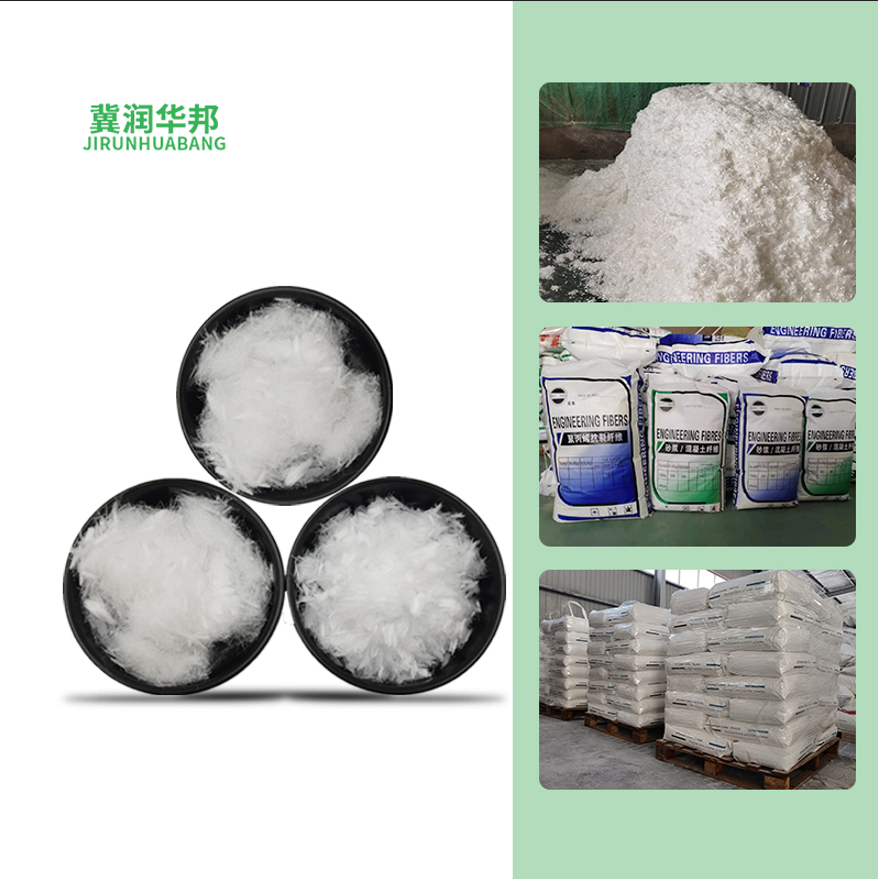
Inzicht in explosieve spalling bij betonbranden
Explosieve afschilfering is een verschijnsel dat optreedt wanneer beton wordt blootgesteld aan zeer intense hitte bij een brand. De hoge temperatuur zorgt ervoor dat het vrije water en het chemisch gebonden water in de betonmatrix verdampt en stoom vormt. De lage doorlatendheid van beton laat de stoom niet snel ontsnappen. Er ontstaat druk in het beton totdat deze de treksterkte van het materiaal overwint, wat leidt tot een gewelddadige uitbarsting. Deze afschilfering brengt de staalbewapening bloot aan de brand en de structurele integriteit wordt snel vernietigd. De afschilfering bij tunnelbranden, zuilen van gebouwen en hoogbouw kan een beheersbare brand binnen enkele minuten omzetten in een catastrofe. Hebei Runhuabang New Material Technology Co., Ltd. begrijpt dat niet alleen de prestaties van het materiaal, maar ook het redden van levens en eigendommen centraal staan bij het voorkomen van afschilfering.
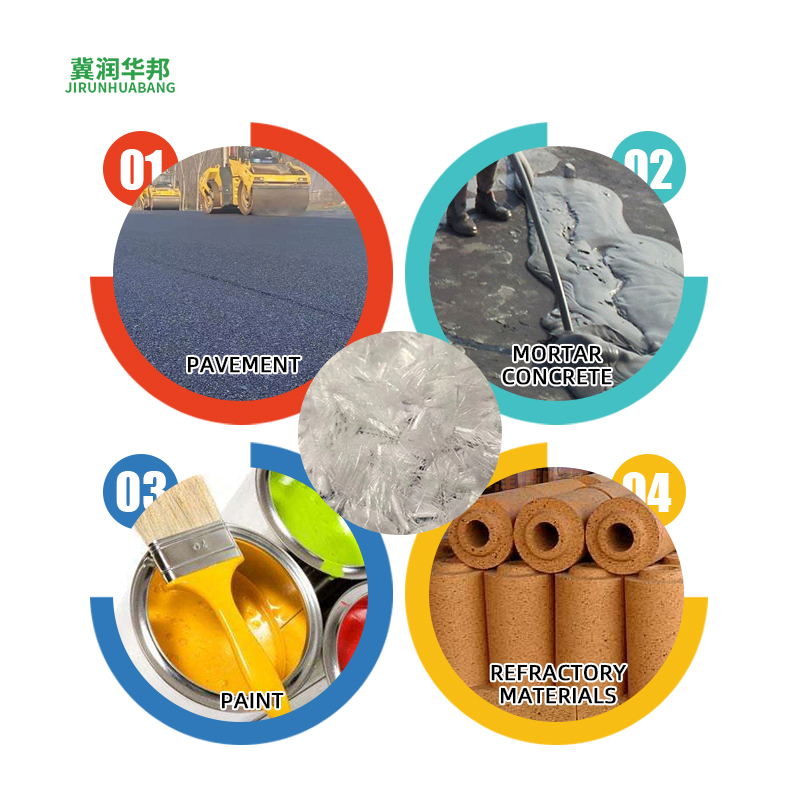
Hoe polypropyleen Vezel Afschilfering voorkomt
De oorzaak van spalling wordt verlicht door polypropyleenvezels die een ontsnappingsnet vormen voor de stoomdruk. Polypropyleenvezels worden toegevoegd aan verse beton, waardoor ze gelijkmatig in de matrix worden verdeeld. Polypropyleenvezels smelten bij een relatief lage temperatuur van ongeveer 160 tot 170 graden Celsius wanneer het beton door vuur wordt verwarmd. Dit smelten laat achter klein capillaire kanalen in het beton. Deze kanalen dienen als een afvoer van druk, zodat stoom wordt afgevoerd zonder dat zich een verwoestende interne druk opbouwt. Het resultaat is dat beton niet smelt en dus nog steeds de dringend benodigde structurele ondersteuning biedt, zelfs wanneer het wordt blootgesteld aan extreme vuurbelasting. In tegenstelling tot staalvezels, die onbeweeglijk blijven, verdwijnen polypropyleenvezels juist op het moment dat ze het meest nodig zijn. Om een uniforme drukafvoer te bewerkstelligen over het gehele betonelement produceert Hebei Runhuabang New Material Technology Co., Ltd. polypropyleenvezels met uniforme smelteigenschappen.
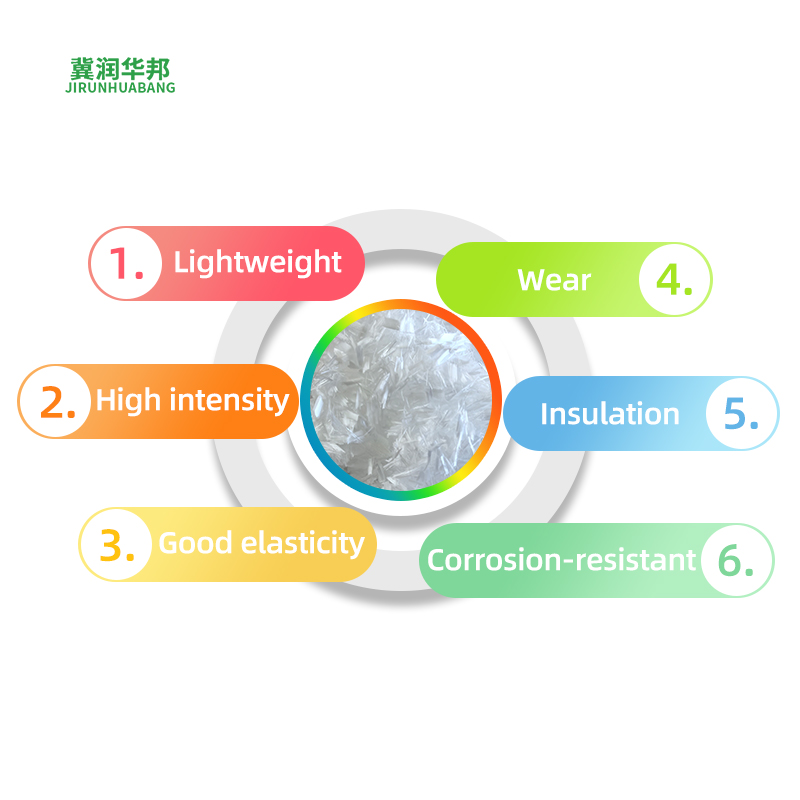
Optimale dosering en Vezeleigenschappen voor vuurbestendigheid
Polypropyleenvezels zijn minder vuurbestendig. De belangrijkste parameters zijn vezellengte, vezeldiameter en doseringsgraad. Microvezels met een diameter van minder dan 50 micrometer en een lengte van 6 tot 20 millimeter zijn over het algemeen het meest effectief om spatten te voorkomen. De gebruikelijke aanbevolen dosering is 1 tot 3 kilogram per kubieke meter beton. Hogere doses zijn niet altijd beter beschermend en beïnvloeden de verwerkbaarheid. De vezels moeten ook gelijkmatig in het mengsel verdeeld zijn, aangezien klonters lekken in het mengsel veroorzaken waar het drukafvoernetwerk dat nodig is ontbreekt. Hebei Runhuabang New Material Technology Co., Ltd. heeft polypropyleenvezels met een specifieke vorm en oppervlaktebehandeling om een uniforme verspreiding te verbeteren bij toepassingen in brandwerende beton.
Teststandaarden voor Brandwerend beton
Een aantal internationale testnormen is opgesteld om het spatten van beton bij brand te onderzoeken. De hydrokoolcurve-test, de RWS-test (Nederland) en de RABT-test (Duitsland) simuleren reële brandomstandigheden, inclusief de snelle temperatuurstijging. Betonmonsters met ingebedde polypropyleenvezels werden verwarmd volgens deze verwarmingsprofielen en het spatten en de resterende sterkte werden gemeten. Veel tunnelbekledingen, kernconstructies van hoogbouw en kritieke infrastructuur moesten in staat zijn om onder deze verwarmings- en spattingsomstandigheden te functioneren. Hebei Runhuabang New Material Technology Co., Ltd. ondersteunt klanten door polypropyleenvezels te leveren die zijn getest om beton te helpen aan deze uitdagende eisen te voldoen. De kwaliteitscontrolemaatregelen, die strikt worden beheerd door onze organisatie, garanderen dat alle partijen dezelfde smeltgedrag en verspreidingskenmerken vertonen.
Polypropyleen combineren Vezel met andere brandbeveiligingsmaatregelen
Polypropyleenvezel kan zeer nuttig zijn als onderdeel van een algehele brandbeveiligingsplan. Het elimineert niet de noodzaak van een voldoende betonbedekking over de wapening, een geschikte mengselsamenstelling en structurele brandwerende maatregelen in extreme situaties. Polypropyleenvezel biedt echter een extra beschermingsniveau dat passief is en geen onderhoud of bewaking vereist. De vezel is na installatie altijd aanwezig en klaar om actief te worden bij een brandgebeurtenis. Polypropyleenvezel wordt veelal aangewezen door vele ingenieurs voor tunnels, parkeergarages, hoogbouwgebouwen en alle andere betonconstructies waar brandveiligheid van essentieel belang is. Hebei Runhuabang New Material Technology Co., Ltd. werkt samen met betonfabrikanten en bouwbedrijven om polypropyleenvezel op te nemen in hun standaard mengformule voor gebruik in brandwerende constructies.
Conclusie
Polypropyleenvezel is een speciaal en onvervangbaar materiaal voor het verbeteren van de vuurbestendigheidseigenschappen van beton. Deze kleine vezels zorgen ervoor dat beton zijn vorm behoudt tijdens explosieve spalling, doordat ze bij hitte smelten en drukafvoerkanalen vormen, waardoor beton zijn vorm tijdens brand kan behouden. Een goede keuze van vezelgeometrie, dosering en dispersiekwaliteit is een vereiste voor een betrouwbare prestatie. Hebei Runhuabang New Material Technology Co., Ltd. combineert moderne productietechnologieën met een zeer complex, meerlagig managementsysteem om polypropyleenvezel te leveren die voldoet aan de uitdagende eisen voor vuurbestendig beton. Wij nodigen zowel lokale als buitenlandse ondernemers uit om over samenwerking en verdere ontwikkeling te spreken.